When a project requires more than a single metalworking process, complete metal fabrication provides a more efficient and reliable way to move from raw material to finished component. Instead of managing separate suppliers for cutting, bending, welding, finishing and assembly, businesses can work with one fabrication team to control the full process from start to finish.
For commercial and industrial projects, this can make a major difference. Metal components often need to be accurate, strong, consistent and ready for practical use. A panel may need to be cut, folded and powder coated. A bracket may need laser cutting, bending and welding. A custom enclosure may require multiple fabrication stages before it is ready for installation.
At Mpire Fabrication, complete metal fabrication is designed to support businesses that need dependable sheet metal components, repeatable production and professional fabrication outcomes.
What Is Complete Metal Fabrication?
Complete metal fabrication refers to the full process of turning metal into functional parts, components or finished products. It can include cutting, profiling, punching, bending, welding, machining, powder coating and assembly.
Rather than treating each process separately, complete fabrication brings these steps together in a coordinated workflow. This helps ensure that every stage is planned with the final result in mind.
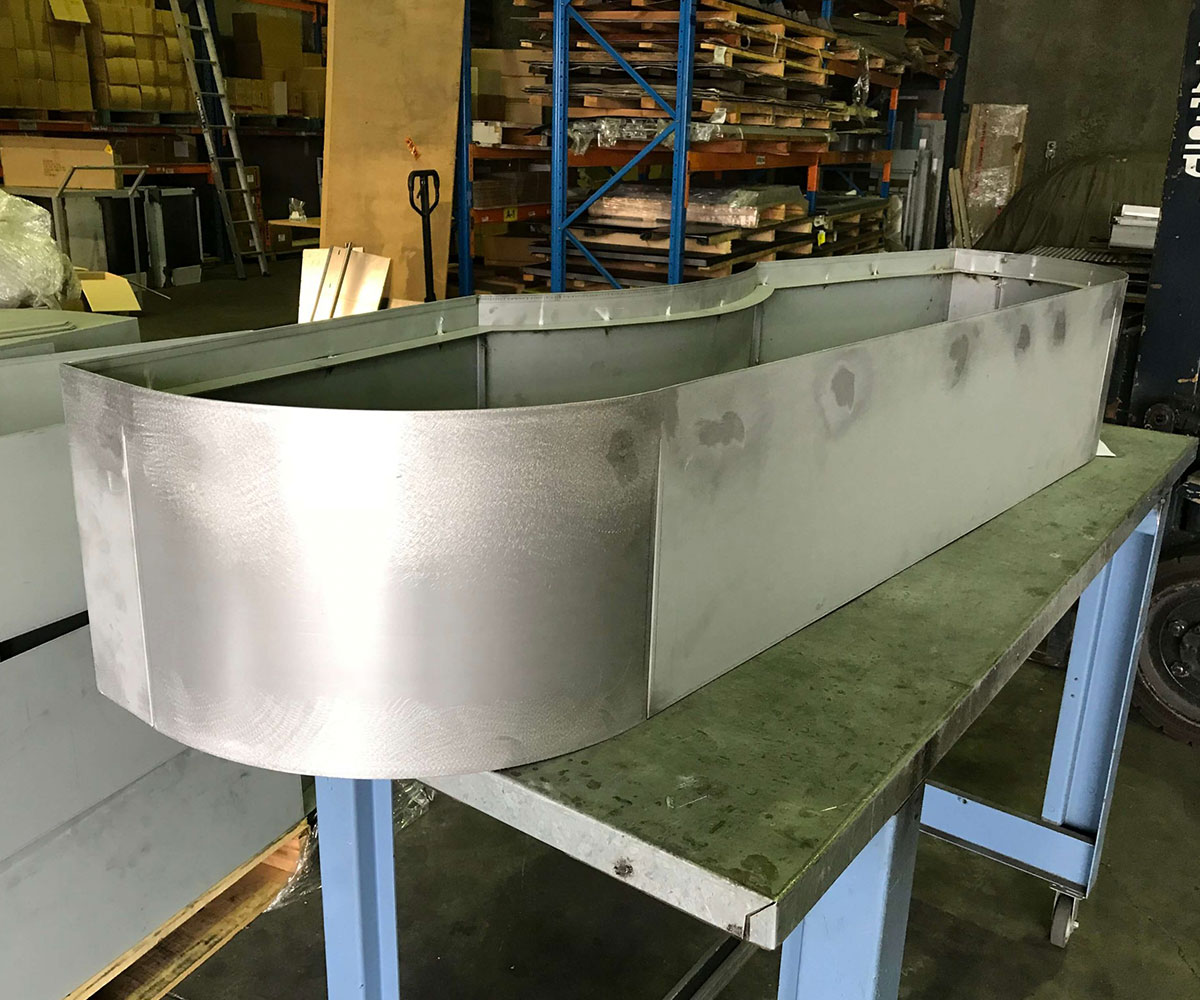
For example, a component may begin with volume laser cutting to create the flat profile. It may then move into sheet metal bending to form the required shape, followed by welding, powder coating or final assembly depending on the application.
This approach is ideal for businesses that need parts made to specification without managing multiple providers.
Why a Complete Fabrication Process Matters
Metal fabrication is rarely just one task. Even simple-looking parts often require several stages to be completed correctly. When these stages are not managed properly, errors can occur between suppliers, specifications can be misunderstood and timelines can become harder to control.
A complete fabrication process helps reduce those risks. When one team manages the project, they can consider how each step affects the next. Cutting can be prepared with folding in mind. Bend details can be planned before welding. Finishing requirements can be considered before the part reaches the final stage.
This creates a smoother process and helps produce a better final component.
Better Accuracy and Consistency
Accuracy is one of the most important parts of metal fabrication. Components need to match drawings, fit with other parts and perform correctly in real-world conditions. Inconsistent fabrication can lead to installation problems, product defects and unnecessary rework.
Complete metal fabrication supports consistency by keeping the process more controlled. When the same team understands the project from beginning to end, there is less chance of miscommunication between stages.
This is especially important for repeat production. If a business needs multiple components produced to the same standard, a coordinated fabrication process helps maintain quality across the full run.
Suitable for a Wide Range of Industries
Complete metal fabrication is used across many commercial and industrial sectors. It can support businesses in manufacturing, construction, HVAC, telecommunications, whitegoods, storage solutions, infrastructure support and general product fabrication.
Different industries have different requirements. Some need strength and durability. Others need clean visible finishes. Some projects require tight tolerances, while others need practical high-volume production. A complete fabrication service can adapt to these requirements by combining the right processes for each job.
Mpire Fabrication works across a range of sectors, supporting businesses that need custom metal components, repeat fabrication and production-ready outcomes.
From Sheet Metal to Finished Components
One of the main advantages of complete metal fabrication is the ability to take a project from raw sheet metal through to a finished or semi-finished product.
This may include:
Laser cutting flat profiles, CNC punching holes and slots, folding parts into shape, welding components together, machining detailed sections, powder coating for protection and appearance, and assembling parts into a completed product.
Each stage adds value to the component. Cutting creates the shape, bending adds structure, welding creates strength, finishing improves durability and assembly prepares the part for use.
By combining these services, complete metal fabrication helps businesses save time and simplify production.
Reducing Supplier Handling and Delays
Managing multiple suppliers can quickly become difficult. One supplier may cut the part, another may fold it, another may weld it and another may apply the finish. Each handover creates an opportunity for delays, transport costs or communication issues.
A complete fabrication service helps reduce that complexity. With more of the process handled under one roof, projects can move through each stage with better coordination.
This is particularly helpful for businesses that need reliable timelines. Whether the project is a one-off custom job or an ongoing production run, reducing unnecessary supplier handling can make the process more efficient.
Supporting Custom and Repeat Fabrication
Complete metal fabrication is suitable for both custom projects and repeat production. Some businesses need a one-off fabricated solution for a specific application. Others need the same component produced again and again as part of a product, system or installation.
The right fabrication team can support both. Custom fabrication allows businesses to create parts that suit their exact requirements, while repeat fabrication helps maintain consistency across larger production runs.
This flexibility is important for companies that need practical fabrication support without being locked into a one-size-fits-all process.
Finishing and Assembly Options
A fabricated part is not always complete once it has been cut and folded. Many components also need surface finishing, protective coating or final assembly before they are ready for use.
Powder coating can provide a durable and professional finish, helping protect metal components while improving their appearance. Welding can be used to join parts and create stronger assemblies. Assembly services can help prepare components for delivery, installation or further manufacturing.
These additional services are what turn basic metal parts into complete, usable products.
Choosing the Right Fabrication Partner
The quality of a fabrication project depends heavily on the team managing it. A good fabrication partner should understand drawings, materials, tolerances, production requirements and the practical use of the finished part.
They should also be able to guide the process where needed. This may include suggesting a better material, adjusting a fold detail, improving a component for production or recommending a finish that suits the environment.
For commercial and industrial clients, this experience can help avoid costly mistakes and improve the final result.
Complete Metal Fabrication in Sydney
Complete metal fabrication is a practical solution for businesses that need accurate, strong and production-ready metal components. By combining cutting, bending, welding, finishing and assembly, it helps simplify the process and deliver more reliable outcomes.
Whether you need a single custom component or repeat production for ongoing work, Mpire Fabrication can support your project with professional sheet metal fabrication services.
To discuss your requirements, visit the Complete Metal Fabrication page or request a free quote from the team.