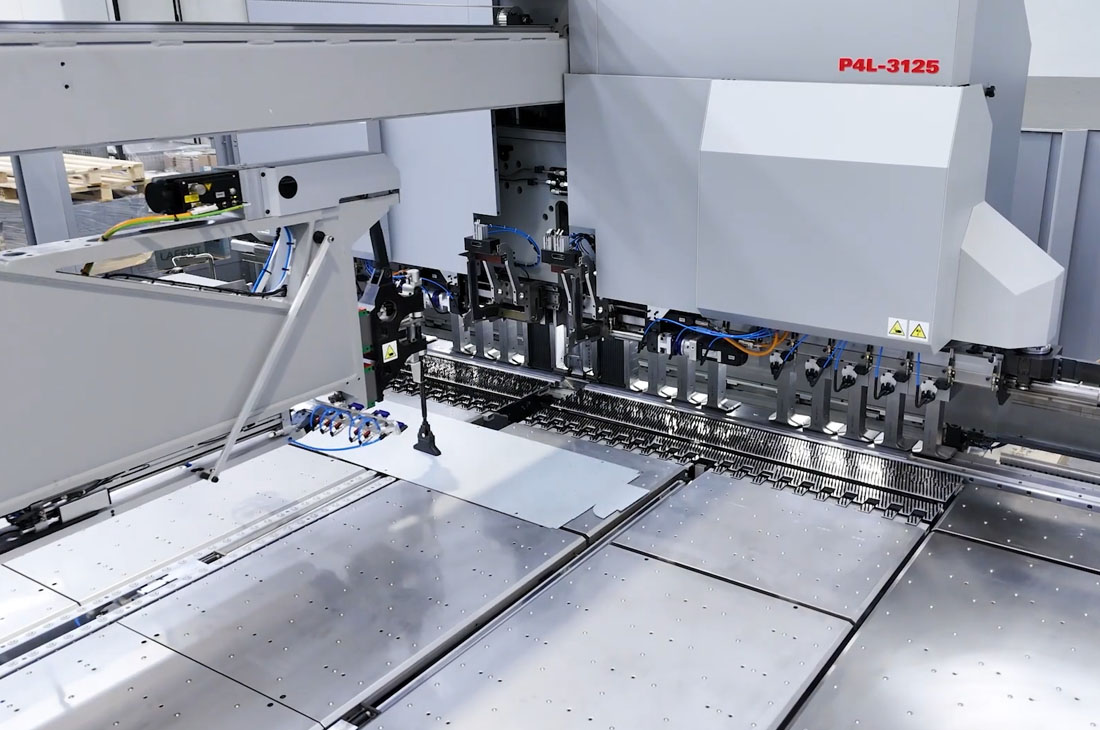
When a sheet metal component needs to be strong, accurate and ready for commercial use, the bending process plays a major role in the final result. Volume sheet metal bending allows businesses to produce folded metal parts with consistent angles, clean lines and repeatable dimensions across larger production runs.
For manufacturers, builders, engineers and commercial suppliers, consistency matters. A bracket, cover, tray, panel or enclosure may look simple, but if the bend angle is wrong or the measurements are inconsistent, the part may not fit, function or install correctly. This is why professional sheet metal bending is an important part of any reliable fabrication process.
At Mpire Fabrication, sheet metal bending is delivered as part of a complete fabrication service, helping businesses turn flat sheet metal into accurate, functional and production-ready components.
What Is Volume Sheet Metal Bending?
Volume sheet metal bending is the process of folding sheet metal into specific shapes, angles and profiles across repeated quantities. It is commonly used after flat metal parts have been cut, punched or profiled.
The process allows flat sheet metal to be transformed into usable components such as brackets, folded panels, trays, covers, channels, housings, supports, guards and custom fabricated parts. When done correctly, every bend is controlled to suit the design, material thickness and final application.
This makes volume sheet metal bending ideal for businesses that need more than one-off fabrication. It supports repeat jobs, batch production and ongoing manufacturing where consistency is essential.
Why Accuracy Matters in Sheet Metal Bending
In fabrication, a bend is not just a bend. The angle, radius, position and material behaviour all affect how the finished component performs. If one bend is slightly off, it can create issues with alignment, assembly or installation.
Accurate bending helps ensure each part matches the required specification. This is especially important when components need to connect with other fabricated parts, fit into machinery, support hardware or form part of a larger product.
For example, a folded bracket needs to hold its shape under use. A metal enclosure needs accurate folds so panels close properly. A cover or guard needs clean bends so it looks professional and fits securely. With volume bending, the aim is to achieve the same result across every part in the run.
Supporting Commercial and Industrial Projects
Volume sheet metal bending is used across a wide range of commercial and industrial applications. It is suitable for manufacturing, construction, HVAC, telecommunications, appliance components, storage systems, machinery parts and architectural metalwork.
Many businesses require folded metal components as part of their product, system or installation. These parts often need to be strong, clean and accurate while still being cost-effective to produce in quantity.
By using professional bending equipment and experienced operators, businesses can reduce rework and improve production efficiency. The result is a more dependable component that is ready for the next stage of fabrication or installation.
From Laser Cutting to Folding
Sheet metal bending often works hand-in-hand with laser cutting. A part may begin as a flat sheet, then be cut to shape using volume laser cutting before being folded into its final form.
This combined process is common for custom brackets, panels, covers, trays and fabricated assemblies. Laser cutting creates the flat profile, while bending gives the part its structure and function.
When these services are handled by the same fabrication team, the process can be more efficient. The cut profile can be prepared with bending in mind, helping reduce problems later in production. This is particularly useful for jobs that require tight tolerances, repeatability and clean finished results.
Better Consistency for Repeat Production
One of the main benefits of volume sheet metal bending is repeatability. Once a part is programmed and set up correctly, the same bend profile can be repeated across multiple components.
This is important for businesses that need ongoing supply or batch manufacturing. Whether the job involves dozens, hundreds or more components, consistent bending helps maintain quality across the whole production run.
Repeatability also supports future orders. If a business needs the same component again, the original specifications can be used to reproduce the part with the same dimensions and bend details. This saves time and helps maintain consistency across product lines, replacement parts or staged projects.
Reducing Waste and Production Delays
Poor bending can lead to wasted material, rejected parts and unnecessary delays. If components do not meet the correct specification, they may need to be remade or reworked. This can increase costs and slow down delivery.
Professional sheet metal bending helps minimise these issues by planning the job correctly from the beginning. Material type, thickness, bend radius and part design all need to be considered before production starts.
A skilled fabrication team can review the requirements and identify practical ways to achieve the best result. This helps reduce errors and ensures each part is suitable for its intended use.
Part of a Complete Fabrication Solution
For many projects, bending is only one stage of the process. After a part is folded, it may also need welding, powder coating, CNC machining or assembly. Managing all of these services through one provider can make the project easier to control.
Mpire Fabrication offers complete metal fabrication, supporting businesses that need more than cutting and bending alone. This allows projects to move from flat sheet metal through to finished or semi-finished components with less supplier handling and better coordination.
This is valuable for commercial clients who need reliable outcomes, clear communication and practical fabrication support from start to finish.
Choosing the Right Sheet Metal Bending Partner
The right fabrication partner should understand both the technical and practical side of sheet metal bending. It is not only about folding metal to a drawing. It is about producing components that suit the final application, meet production requirements and perform reliably once installed or assembled.
Experience matters because different metals behave differently when bent. Material thickness, grain direction, bend radius and tooling all influence the final result. A professional team will consider these factors to help achieve a cleaner and more accurate outcome.
For businesses that rely on consistent components, this level of attention can make a major difference.
Reliable Volume Sheet Metal Bending in Sydney
Volume sheet metal bending is a practical solution for businesses that need accurate, repeatable and high-quality folded metal components. It supports better consistency, cleaner fabrication outcomes and smoother production across commercial and industrial projects.
Whether you need folded parts only or a complete fabrication service, Mpire Fabrication can assist with cutting, bending, welding, finishing and assembly.
To discuss your next project, visit the Volume Sheet Metal Bending page or request a free quote from the Mpire Fabrication team.